

Landscape photography is a captivating art form that allows photographers to capture the beauty and glory of the natural world. Many people don’t realize that capturing a beautiful image of a vast vista or mountain range is challenging.
Landscape photographers can transport viewers to breathtaking locations through their stunning landscape photos. Mastering this genre requires a combination of technical skills, creative vision, and a deep appreciation for nature.
However, even beginners can create stunning landscape photos with the right tips, tricks, and techniques. This article covers everything you need to know about landscape photography, including techniques that almost guarantee great shots regardless of your experience level.
Dive in and start capturing the natural world’s splendor today! For professional video production services, including breathtaking landscape videography, contact Zip In Media, Florida’s most trusted video production company.
Call us at (954) 953-3976 and let us help you create stunning visual content that captivates and inspires.
What is Landscape Photography?
Landscape photography is a genre that focuses on capturing the beauty and grandeur of natural scenery. It is an art form that aims to portray the essence of a place, evoking a sense of wonder and appreciation for the natural world.
 Landscape photographers often venture out into remote areas, braving challenging terrain and weather conditions to capture breathtaking landscape shots that showcase the majesty of nature.
At its core, landscape photography is about finding the perfect composition, lighting, and timing to create stunning landscape images that transport viewers to the very location depicted in the photograph.
It requires patience, creativity, and a deep understanding of the interplay between natural elements such as light, weather, and seasonal changes.
Landscape photographers meticulously plan their outings, researching locations, studying maps, and monitoring weather patterns to increase their chances of capturing beautiful landscape photos.
They strive to capture the essence of a place, evoking emotions and inviting viewers to appreciate the beauty of the natural world.
The Best Landscape Photography Gear
While talent and creativity are essential in landscape photography, having the right gear can greatly enhance your ability to capture stunning landscape photos. The best gears can enhance the compositional elements for landscape pictures.
 While smartphones can take good photos, they have limitations. If you aim for greater control, detail, and the ability to print large images, specialized landscape photography equipment is essential. Investing in the right gear can significantly enhance your results.
Here are some key pieces of equipment that landscape photographers rely on:
Camera body
A full-frame DSLR or mirrorless camera with excellent image quality and low-light performance is preferred for landscape photography.
Wide-angle lens
After obtaining a suitable camera, it is advisable to acquire high-quality lenses designed specifically for landscape photography. A wide-angle lens is an excellent starting point. Its advantage is its ability to capture a broader view of the scene in front of the camera.
If the budget permits only one lens initially, a wide-to-standard zoom lens, such as a 24-70mm f/4, is a solid choice for those beginning their landscape photography journey.
Capturing vast landscapes often requires a wide-angle lens, typically between 16-35mm focal length, to ensure an expansive field of view and encompass the scene’s grandeur.
Tripod
A sturdy tripod is crucial for keeping your camera steady during long exposures, which are common in landscape photography to capture movement in elements like water or clouds.
Holding your camera steady at 1/30s is tough. Without rock-steady hands and perfect technique, your photos will turn out blurry. Even the most experienced photographers struggle with speeds of one second or longer.
Even when there’s enough light for a fast shutter speed, using a tripod can be helpful. It forces you to take your time and think about your composition.
Filters
Many beginners forget about filters, but they can make a big difference. A circular polarizer, for example, is essential. It cuts down on reflections in water shots and enhances colors in forest scenes. It’s a valuable addition to your photography kit.
 Neutral density (ND) filters and graduated neutral density (GND) filters can help control exposure and balance the dynamic range in landscape scenes, allowing you to capture details in both highlights and shadows. A great landscape photograph needs a filter, too; don’t forget that.
Accessories
In addition to the camera and lenses, landscape photographers require additional gear when venturing into nature. A spacious, comfortable backpack is essential for extended hikes to find ideal shooting locations.
Carrying spare batteries is crucial, as running out of power during perfect lighting conditions can be devastating. Sufficient memory cards are also necessary to avoid running out of storage space.
Furthermore, an external hard drive provides peace of mind by safely backing up the precious landscape images captured after considerable effort. Remember these gears to capture a beautiful landscape photo.
The Best Landscape Photography Camera Settings
Proper camera settings are crucial for stunning landscape photos. It’s not just about being in the perfect spot; you must also adjust your settings carefully to achieve your desired result. While there is no one-size-fits-all solution, here’s my recommendation:
Aperture
 The aperture controls brightness and depth of field, determining how much of the image is in focus. Use a small aperture (high f-number) like f/11 or f/16 to achieve a deep depth of field, ensuring that both the foreground and background elements are in sharp focus.
Shutter speed
Shutter speed adjusts brightness and motion blur. Adjust your shutter speed based on the desired effect. Slower shutter speeds (e.g., 1/4 second or longer) can create a sense of motion in moving elements like water or clouds, while faster shutter speeds freeze action.
ISO
ISO brightens or darkens the image, but higher ISO settings increase noise, which can degrade image quality. Keep your ISO as low as possible (e.g., 100 or 200) to minimize noise and maximize image quality, especially in bright outdoor conditions.
Focus mode
Use manual focus or live view autofocus to ensure precise focus on your desired subjects, such as a mountain peak or a foreground element.
White balance
Set your white balance according to the lighting conditions (e.g., daylight, cloudy, or shade), or shoot in RAW format to adjust the white balance during post-processing.
Landscape Photography Tips You Can Follow
These are the landscape photography tips I am going to give you. You can easily follow tips and tricks to improve your photography style and get good landscape photos.
Scout locations
Start by researching potential locations online or with maps. Whenever possible, visit the spots beforehand to assess the landscape and lighting. Visualize how elements will fit into your frame.
Sun trajectory apps can help predict lighting. Scouting ahead ensures better shots at a popular tourist spot or a hidden gem. This preparation will increase your chances of capturing great landscape photos.
Use a tripod
A sturdy tripod is essential for capturing sharp landscape photos, especially in low-light conditions or when using long shutter speeds to capture motion in elements like water or clouds.
Shoot during golden hours
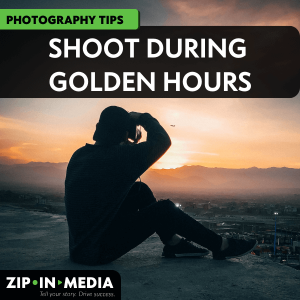 It occurs just before sunset and after sunrise, bathing landscapes in the warm, soft light that enhances details and creates beautiful shadows and textures. It’s a prime time for stunning landscape shots.
Similarly, right before sunrise and after sunset, the blue hour offers a unique, cool-toned light that can add a magical quality to your images. This time is especially good for long-exposure shots due to the subdued light.
While these hours are ideal, you can still capture great landscape photos on heavily overcast days, focusing on subjects like foliage, forests, and waterfalls while minimizing the sky in your composition.
Avoid midday photography in bright sunlight. This can lead to harsh shadows, washed-out colors, and high contrast, which are less flattering for landscapes.
Incorporate foreground elements
Including interesting foreground elements, such as rocks, trees, or flowers, can add depth and lead the viewer’s eye into the scene, enhancing the overall composition of your landscape shots.
Experiment with different perspectives
Don’t be afraid to get low to the ground, climb to higher vantage points, or explore unique angles to capture landscape images from a fresh perspective, offering a new take on familiar scenes.
Use a wide-angle lens
A wide-angle lens captures more in a single shot, perfect for showcasing landscapes’ vastness and magnificence. It’s a must-have tool for creating breathtaking landscape photos.
Pay attention to the weather
Different weather conditions can dramatically change the mood and atmosphere of a landscape scene. Cloudy days can provide soft, diffused light, while storms can create dramatic skies, adding interest and depth to your landscape photographs.
Bracket exposures
Use exposure bracketing to capture multiple images with different exposure settings, increasing your chances of capturing the perfect exposure and allowing for HDR (High Dynamic Range) processing, which can enhance the dynamic range and detail in your landscape shots.
Understand the rule of thirds
 Compose your landscape shots by dividing the frame into thirds horizontally and vertically, placing key elements along these lines or at their intersections for a balanced and visually appealing composition.
Look for leading lines
Utilize leading lines to inject energy into your photos. These are lines that guide the viewer’s gaze through the image, often leading to the main subject. Incorporating effective leading lines in landscape photography can elevate your image from average to outstanding.
Why are they important? Leading lines draw viewers into the photo and create depth.
Finding leading lines may seem daunting, but they’re actually quite common. Look for them in roads, patterns in sand, receding waves, rivers, ice cracks, leaves, fallen logs, or anything resembling a line. Position these lines in the foreground, use a wide-angle lens, and shoot from a low angle to make them prominent and captivating in your frame.
Incorporate natural elements like rivers, roads, or fences that can lead the viewer’s eye through the landscape image, creating a sense of depth and movement and guiding the viewer’s gaze through your landscape photographs.
Capture motion
Use slow shutter speeds to capture the motion of moving elements like water, clouds, or foliage. This will add a sense of dynamism to your landscape photographs and create visually stunning shots.
Embrace negative space
Negative space, or areas without obvious subjects, can add simplicity and balance to your landscape photos, drawing the viewer’s attention to the main subject and creating a sense of calmness in your landscape images.
Shoot in RAW
 Shoot in RAW format to capture the maximum amount of data and flexibility for post-processing. This allows you to fine-tune exposure, white balance, and other settings, ensuring that your landscape photographs look their best.
Be patient
Landscape photography often requires patience and perseverance. Be prepared to wait for the perfect light, weather conditions, or fleeting moments that can elevate your landscape shots and turn them into stunning landscape photos.
Edit mindfully
While post-processing can enhance your landscape photos, be mindful of maintaining a natural look and avoid over-editing, which can detract from the beauty of the scene and create unrealistic landscape images.
Conclusion
Landscape photography is a rewarding and challenging art form that requires a combination of technical skills, creative vision, and a deep appreciation for the natural world.
Remember, practice, patience, and a keen eye for composition are key to becoming a skilled landscape photographer. Embrace the journey, learn from your mistakes, and never stop exploring new locations and perspectives.
With dedication and a passion for capturing the essence of the great outdoors, you can create stunning landscape photos that will leave a lasting impression on viewers and inspire a deeper connection with nature. Follow these landscape photography tips I gave, and you’ll be alright throughout.
